
tempered glass sheets
Understanding Standard Bore Gages A Comprehensive Overview In the realm of precision measurement, standard bore gages play a crucial role in ensuring the accuracy and quality of cylindrical parts and components. These specialized tools are essential for industries that require meticulous tolerances and consistent performance, including manufacturing, automotive, aerospace, and heavy machinery sectors. This article explores what standard bore gages are, how they function, their applications, and their significance in industrial settings. What is a Standard Bore Gage? A standard bore gage is a measuring instrument specifically designed to assess the internal dimensions of cylindrical holes or bores. It is used to determine various parameters, such as diameter, roundness, and finish, ensuring that the internal dimensions of a component meet the required specifications. Standard bore gages can range from simple, mechanical versions to sophisticated electronic models that provide advanced data analysis and reporting capabilities. How Do Bore Gages Work? The basic operation of a standard bore gage involves inserting the gage into the bore to measure its diameter. The gage typically consists of a measuring head and a pair of contact points, which expand or contract to fit the internal dimension of the bore. The measured diameter is read on a scale or a digital display, depending on the design of the gage. There are several types of bore gages, including 1. Mechanical Bore Gages These use mechanical components like springs and levers to perform measurements. Operators read the measurement directly off a dial or scale. Although often less expensive, mechanical gages can be prone to user error and require careful handling. 2. Electronic Bore Gages More advanced than their mechanical counterparts, electronic gages incorporate digital displays and sensors to provide precise measurements. They often feature data output options for easy integration with manufacturing software, enabling real-time quality control and monitoring. 3. Dial Indicator Bore Gages Utilizing a dial indicator to measure deviations from a reference point, these gages provide accuracy and a rapid assessment of hole roundness and straightness. Applications of Standard Bore Gages standard bore gage Standard bore gages are utilized across various industries for diverse functions, including - Quality Control Ensuring that machined components meet specified tolerances is paramount for maintaining product integrity. Bore gages are instrumental in quality assurance processes, helping to identify deviations before parts go into production or assembly. - Manufacturing Automated and manual manufacturing processes often rely on bore gages to verify that components fit together as designed. This measurement is vital for assembly lines, where even the slightest variation can affect performance or lead to equipment failure. - Maintenance and Repair In maintenance operations, standard bore gages help technicians assess the wear of components over time. For instance, in automotive or aerospace applications, understanding bore wear is crucial for maintaining engine performance and safety. Importance of Using Standard Bore Gages Utilizing standard bore gages ensures precision in manufacturing processes, reducing costs associated with rework and scrap. By accurately measuring bore dimensions, manufacturers can enhance product quality, leading to improved customer satisfaction and market competitiveness. In addition, standardizing measurement practices through the use of bore gages helps maintain consistency across production lines. This consistency is essential, especially in industries where safety and regulatory compliance must be adhered to. Moreover, the evolution of technology has enhanced the capabilities of bore gages. With features such as data logging, automated measurements, and ease of integration into digital workflows, modern bore gages provide manufacturers with powerful tools to meet the challenges of contemporary production environments. Conclusion Standard bore gages are indispensable tools in the world of precision measurement, providing a means to measure and ensure the internal dimensions of cylindrical components. From quality control in manufacturing to maintenance assessments, these tools play a significant role in maintaining the accuracy and reliability of products across various industries. With advancements in technology, the capabilities of bore gages continue to expand, making them even more valuable in today's highly competitive market. As industries seek to improve efficiency and reduce costs, the adoption of standard bore gages will undoubtedly play a pivotal role in achieving these goals.
about
tempered glass sheets
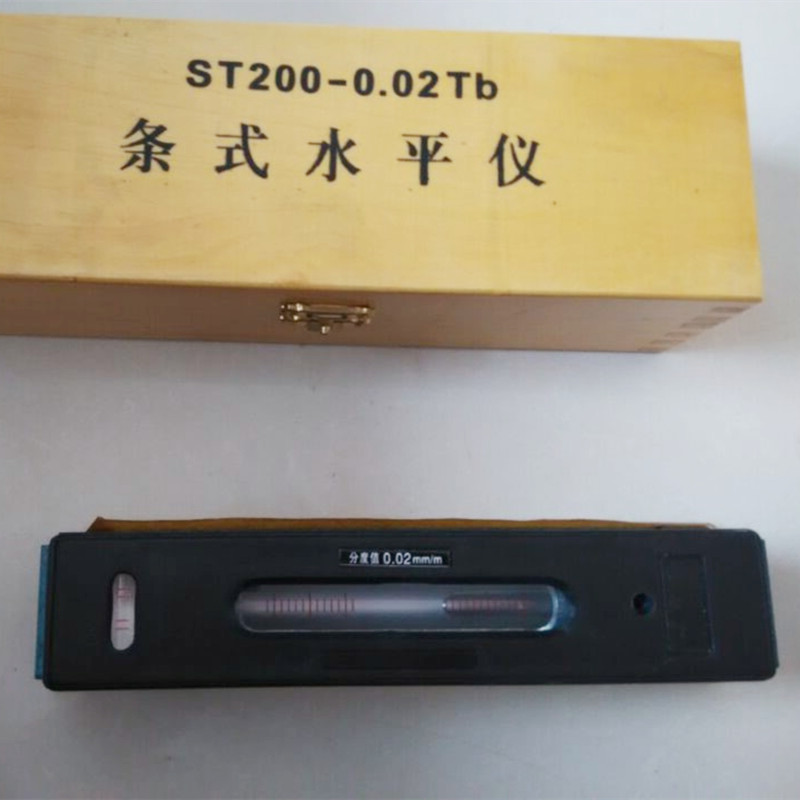
Exploring the Concept of Level for Sale A Unique Marketplace Approach In an age where everything is digital, the notion of level for sale captures an intriguing angle of online commerce. It delves into the concept of categorizing products or services based on levels of quality, exclusivity, or functionality. This idea not only enhances consumer choice but also allows sellers to cater to a diverse audience with varying preferences and budget constraints. The level for sale concept can be likened to the tiered systems often seen in subscription services or product offerings. For instance, a software company may offer a basic version of its program for free, a mid-tier version with additional features for a subscription fee, and a premium version that includes all bells and whistles for a higher price. This tiered approach maximizes customer engagement by allowing individuals to choose the level that best fits their needs and financial capabilities. The Benefits of Levels in Selling One significant advantage of the level for sale model is its ability to attract a wider audience. Consumers are not a monolithic group; each has unique tastes, preferences, and purchasing power. By offering different levels, sellers can tap into various market segments. This is particularly evident in industries like fashion, electronics, and even travel. For example, a fashion brand may release a collection that includes high-end designer pieces, more affordable yet stylish options, and even budget-friendly items. This allows them to maintain a broad customer base while still enhancing their brand's reputation for quality. Moreover, the level approach can encourage customer loyalty. When consumers begin at a basic level and see the value in what they purchased, they may be encouraged to upgrade to the next level, seeking more features or exclusivity. This progressive journey not only increases the lifetime value of customers but also builds a relationship between the buyer and the brand. Customers often feel a commitment to brands that they have invested in, leading to repeat purchases and recommendations. Showcasing Products with Levels level for sale For sellers, the level for sale concept also opens avenues for creative marketing strategies. Visualizing levels can be a key tactic in showcasing products. For example, an online game might display different tiers of in-game items, showing clear distinctions between the basic, advanced, and elite levels. These depictions help buyers quickly comprehend the value at each level and make informed choices. Additionally, the presentation of products at different levels fosters a sense of transparency in pricing. Customers appreciate understanding what they are paying for and the differences in features across levels. This clarity can reduce buyer hesitance and encourage purchases. Challenges and Considerations However, while the level for sale framework has many advantages, it poses challenges that sellers must navigate. One is the potential for brand dilution. If lower-tier products lack perceived quality, they may undermine the brand’s overall reputation. Therefore, maintaining excellence across all levels is crucial. Another challenge is pricing strategy. Setting the right price points for each level can be tricky. Too low, and the higher tiers may not seem exclusive; too high, and you risk alienating potential customers. Conclusion In conclusion, the level for sale concept is a dynamic approach to modern commerce that both sellers and buyers can benefit from. It offers a strategic way to meet diverse consumer needs while promoting brand loyalty and enhancing the overall shopping experience. As the marketplace continues to evolve, understanding and implementing this concept can provide businesses with a competitive edge, ensuring they remain relevant in a fast-paced digital environment. Embracing these levels not only caters to a broader audience but also promotes a culture of informed purchasing, where consumers thrive on choice and value.
-

High quality industrial productsagement

High quality industrial products
View Details -

Meet the diverse needs of customers

Meet the diverse needs of customers
View Details -

Strict quality control

Strict quality control
View Details -

Top raw materials

Top raw materials
View Details -

Trusted supplier

Trusted supplier
View Details
Our application
news and information
Welding Tables Available for Purchase Online at Competitive Prices
When it comes to welding projects, having the right equipment is crucial to ensure efficiency and qu
Utilizzo di barre d'acciaio nei lavori di costruzione di edifici e strutture
L'importanza delle barre d'acciaio nelle costruzioni edili Nel settore delle costruzioni, l'uso dell
Water Pressure Regulation Using Check Valves for Efficient System Performance
Water Pressure Check Valves Importance, Functionality, and Maintenance Water pressure check valves a
 English